 Grain handling · Installation · Repairs
306 Mechanical / Field notes
Grain Dryer Capacity Is a System Question
The rated dryer is only one part of harvest flow. Learn how wet holding, transfers and storage affect the pace of the whole setup.
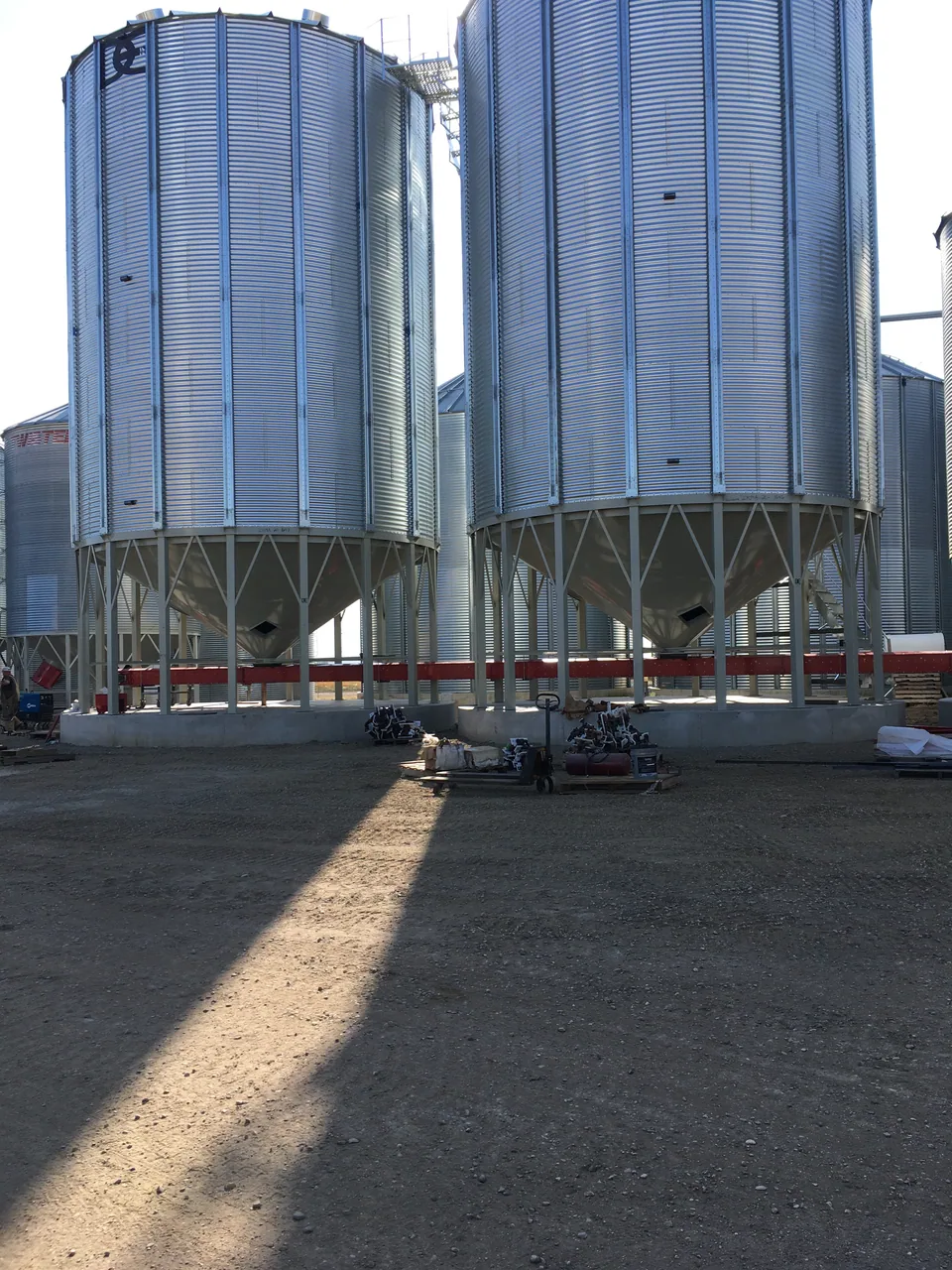
Rated capacity meets real conditions
Published capacity depends on crop, incoming moisture, target moisture and operating conditions. Compare specifications under conditions that resemble your farm rather than relying on a single headline bushels-per-hour figure.
Follow the slowest transfer
A dryer can only keep moving when wet grain reaches it and dry grain has somewhere to go. Map receiving, wet holding, dryer discharge and storage transfers. Check each conveyor or elevator against the expected crop and route, and identify shared equipment that may have to switch between tasks.
Allow room for interruptions
Harvest systems need a way to handle a short delay, a bin change or a maintenance stop. Consider where grain can wait safely and how the operator will know which route is active. The right arrangement depends on the site and should be confirmed with equipment suppliers.
Measure after startup
During commissioning, record actual flow, moisture readings, transfer times and any recurring pauses. Compare what happens in the field with the assumptions used to plan the layout. Those observations can guide adjustments without treating the nameplate rating as a guarantee of farm throughput.
Every farm, crop and equipment combination is different. Use the equipment manufacturer’s instructions and qualified local advice for sizing, structural, electrical and operating decisions.
Sources and further reading
Planning an installation or upgrade? Talk with 306 Mechanical about your grain-handling project, or see projects from the field.