 Grain handling · Installation · Repairs
306 Mechanical / Field notes
Planning a Seed-Cleaning Line Around the Crop
A seed-cleaning setup should reflect the crop, incoming material, desired product and the path between machines.
Define what the line needs to separate
Start with the crop and a representative sample. Material may differ by size, shape, weight or airflow response. The intended use of the cleaned seed also matters, since a food, oilseed or planting-seed operation may have different quality goals.
Understand the steps
Screening separates by size, while air separation can remove lighter material. Some lines use additional equipment such as indented cylinders or gravity tables for particular separations. No machine removes every contaminant, and results depend on crop condition, setup and operator adjustment.
Make room for feeding and discharge
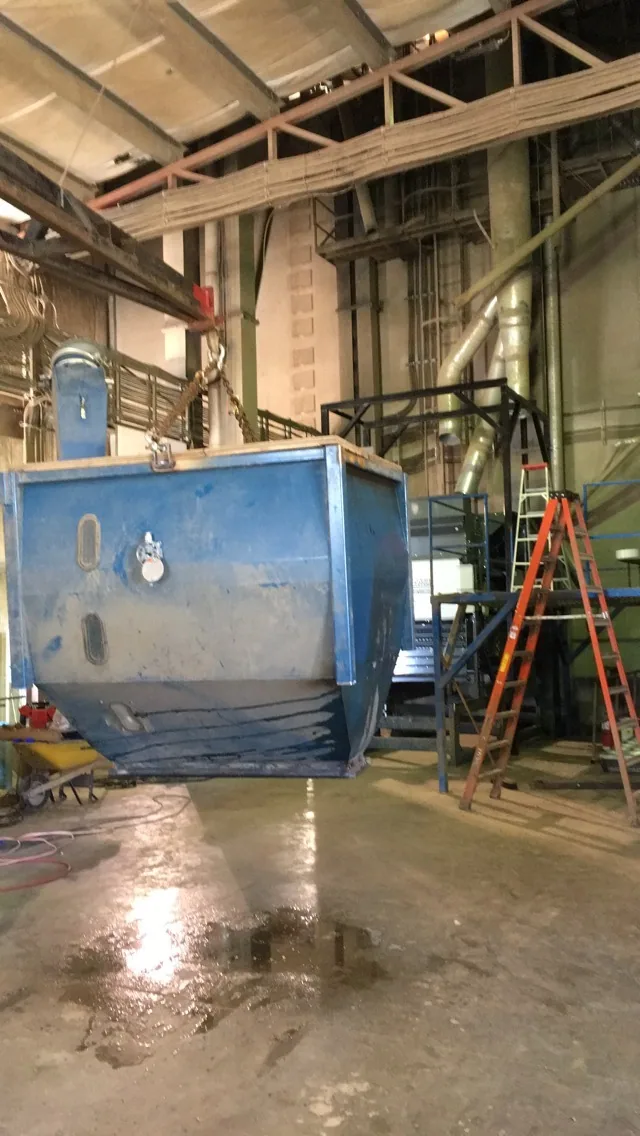
Plan receiving, surge capacity, clean product, screenings, dust collection and safe access to change screens or inspect the machine. Make sure the building has room for the product streams and maintenance tasks, not just the cleaner footprint.
Verify the exact machine and crop
Screen sizes and settings are crop-specific. Test small samples, follow equipment manuals and confirm electrical, guarding and dust-control requirements. A physical layout review can help check clearances, supports and chutes before replacing equipment.
Every farm, crop and equipment combination is different. Use the equipment manufacturer’s instructions and qualified local advice for sizing, structural, electrical and operating decisions.
Sources and further reading
Planning an installation or upgrade? Talk with 306 Mechanical about your grain-handling project, or see projects from the field.